

Musty or Damp Odors
A constant musty smell may suggest hidden moisture and mold growth in enclosed spaces that require further evaluation.

Bubbling or Peeling Paint
Moisture behind painted walls may cause bubbling or peeling paint while creating favorable conditions for mold growth.

Staining Around Walls or Ceilings
Water stains on ceilings or walls may indicate moisture intrusion that should be assessed to identify potential mold issues.

Visible Spots or Discoloration
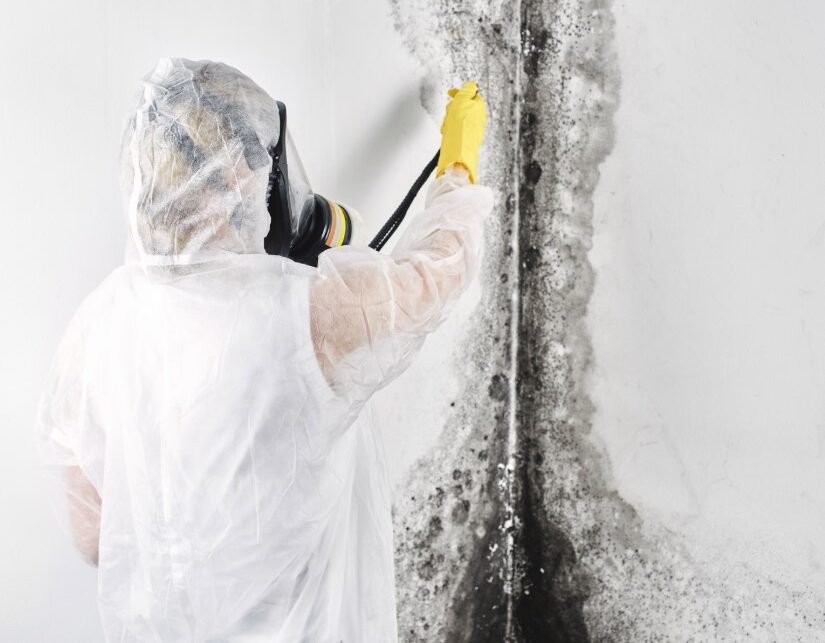
Green, white, dark, or unusual surface discoloration may indicate mold developing on walls, ceilings, or other building materials.

Recurring Moisture Problems
Repeated moisture concerns or excess indoor humidity may contribute to mold growth if the underlying issue remains unresolved.

Mold Returning After Cleaning
If mold continues to return after cleaning, moisture trapped within the property may still be contributing to the problem.

Avoid Disturbing the Area
Do not aggressively scrub, sand, or remove affected materials before the condition has been evaluated.

Look for an Obvious Moisture Source
Check for visible leaks or active water problems, but avoid entering unsafe or heavily damaged areas.

Limit Activity Around the Affected Space
Reducing unnecessary movement around significant mold growth may help avoid disturbing contaminated materials.

Do Not Paint Over Visible Mold
Covering the surface does not address the affected material or moisture condition beneath it.

Arrange a Professional Assessment
A closer evaluation can help determine the affected area and the appropriate remediation approach.

Step 1: Property & Mold Assessment
We inspect visible mold, moisture concerns, and affected materials.

Step 2: Plan & Contain the Work Area
The remediation area is defined and contained to help limit particle spread.

Step 3: Remove & Treat Mold
Mold-affected materials are cleaned, treated, or removed as needed.

Step 4: Address Moisture Issues
Leaks and moisture sources are evaluated to support effective remediation.

Step 5: Restore the Property
Damaged materials can be repaired or replaced to restore affected areas.

Inspection-Based Evaluation
Visible mold, moisture conditions, and affected materials are carefully reviewed.

Clear Remediation Information
We explain the inspection results and the recommended remediation process in simple terms.
Structured Containment Planning
The work area is planned with attention to containing the affected remediation space.

Homes & Commercial Buildings
Professional mold remediation services are available for residential and commercial properties.