

Musty or Damp Odors
A lingering damp or earthy smell may be associated with hidden moisture and possible mold growth in difficult-to-see areas.

Bubbling or Peeling Paint
Paint that begins peeling or bubbling may indicate trapped moisture that can contribute to mold growth over time.

Staining Around Walls or Ceilings
Water staining on walls or ceilings may point to moisture problems that should be evaluated before mold spreads further.

Visible Spots or Discoloration
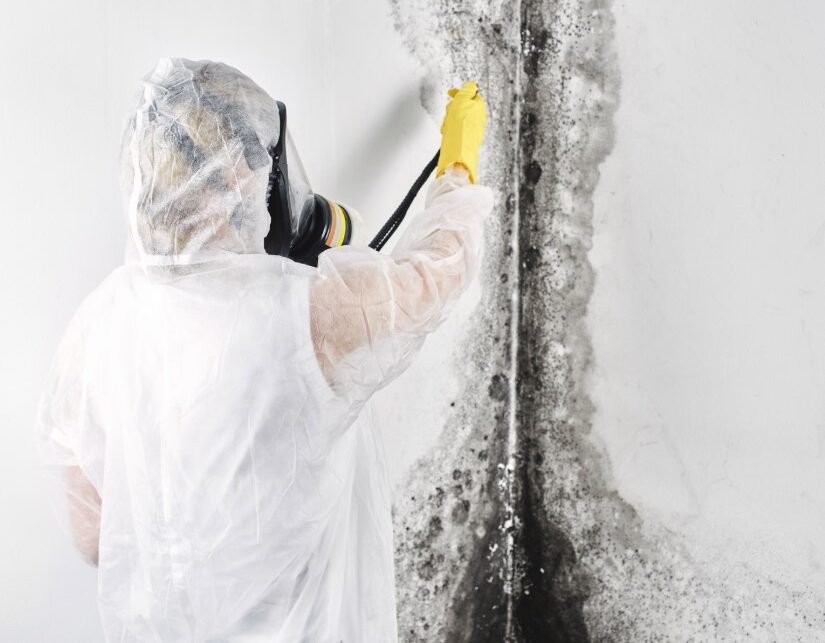
Dark stains, unusual discoloration, or visible growth on building surfaces may indicate mold developing beneath or on the material.

Recurring Moisture Problems
Ongoing moisture intrusion or persistent humidity can increase the likelihood of mold developing inside the property.

Mold Returning After Cleaning
Mold that keeps returning after cleaning often indicates that excess moisture has not yet been fully addressed.

Avoid Disturbing the Area
Do not aggressively scrub, sand, or remove affected materials before the condition has been evaluated.

Look for an Obvious Moisture Source
Check for visible leaks or active water problems, but avoid entering unsafe or heavily damaged areas.

Limit Activity Around the Affected Space
Reducing unnecessary movement around significant mold growth may help avoid disturbing contaminated materials.

Do Not Paint Over Visible Mold
Covering the surface does not address the affected material or moisture condition beneath it.

Arrange a Professional Assessment
A closer evaluation can help determine the affected area and the appropriate remediation approach.

Step 1: Property & Mold Assessment
We inspect visible mold, moisture concerns, and affected materials.

Step 2: Plan & Contain the Work Area
The remediation area is defined and contained to help limit particle spread.

Step 3: Remove & Treat Mold
Mold-affected materials are cleaned, treated, or removed as needed.

Step 4: Address Moisture Issues
Leaks and moisture sources are evaluated to support effective remediation.

Step 5: Restore the Property
Damaged materials can be repaired or replaced to restore affected areas.

Comprehensive Mold Assessment
Our inspection focuses on visible mold, moisture conditions, and affected building materials.

Understandable Next Steps
You receive clear information about the inspection findings and the recommended remediation approach.
Work Area Containment
Containment planning helps organize the remediation area while affected materials are addressed.

Residential & Commercial Solutions
Mold remediation services are provided for homes and commercial properties throughout Hunt Valley.