

Mold Remediation Services in Maryland
Mold Growth Can Affect More Than the Visible Surface
A visible mold spot may only show part of the problem. Moisture can reach drywall, flooring, insulation, and other building materials, creating conditions where mold may develop in areas that are not immediately noticeable.
Restoration Guru evaluates mold-affected spaces and surrounding property conditions to help determine the work required. Our goal is to create a clear remediation plan based on the affected materials, moisture concerns, and condition of the property.
What Causes Mold to Grow Inside a Property?
Common moisture-related conditions associated with mold include:

Plumbing Leaks
Slow or hidden plumbing leaks may keep walls, cabinets, and nearby materials damp.

Roof or Exterior Water Intrusion
Water entering through damaged roofing or exterior building areas may affect interior materials.

Damp Basements or Lower Levels
Below-grade spaces may experience moisture conditions that contribute to mold development.

Previous Water Damage
Materials that remain wet after a water damage event may develop mold-related problems.

High Moisture and Condensation
Repeated condensation can create damp conditions on walls, ceilings, windows, and nearby surfaces.

Poorly Dried Building Materials
Drywall, flooring, insulation, and other materials may remain damp when moisture is not properly addressed.
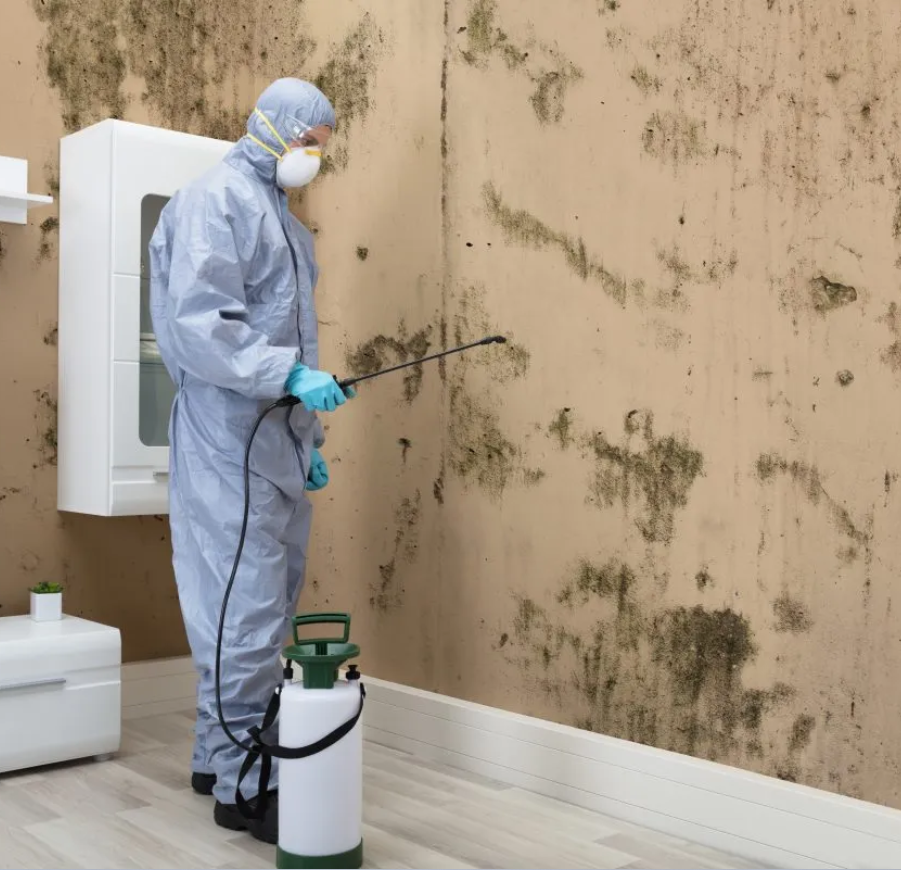
Why Does Mold Require Professional Remediation?
Surface cleaning may remove visible residue, but it does not always address mold affecting porous materials, concealed spaces, or areas connected to an ongoing moisture problem.
Professional mold remediation focuses on understanding the affected area, managing contaminated materials, and completing cleanup based on the property’s condition. When damaged materials require removal or repair, those needs can also become part of the restoration plan.
A structured remediation process helps ensure that the work is based on the actual mold conditions within the property rather than simply covering or cleaning the visible surface.
Mold Remediation Services We Provide
The work required for mold remediation depends on the affected area, materials involved, and moisture conditions within the property. Restoration Guru provides remediation and restoration support based on the needs identified during the property evaluation.

Mold Damage Assessment
Affected spaces and visible mold concerns are evaluated to better understand the condition of the property.

Remediation Area Containment
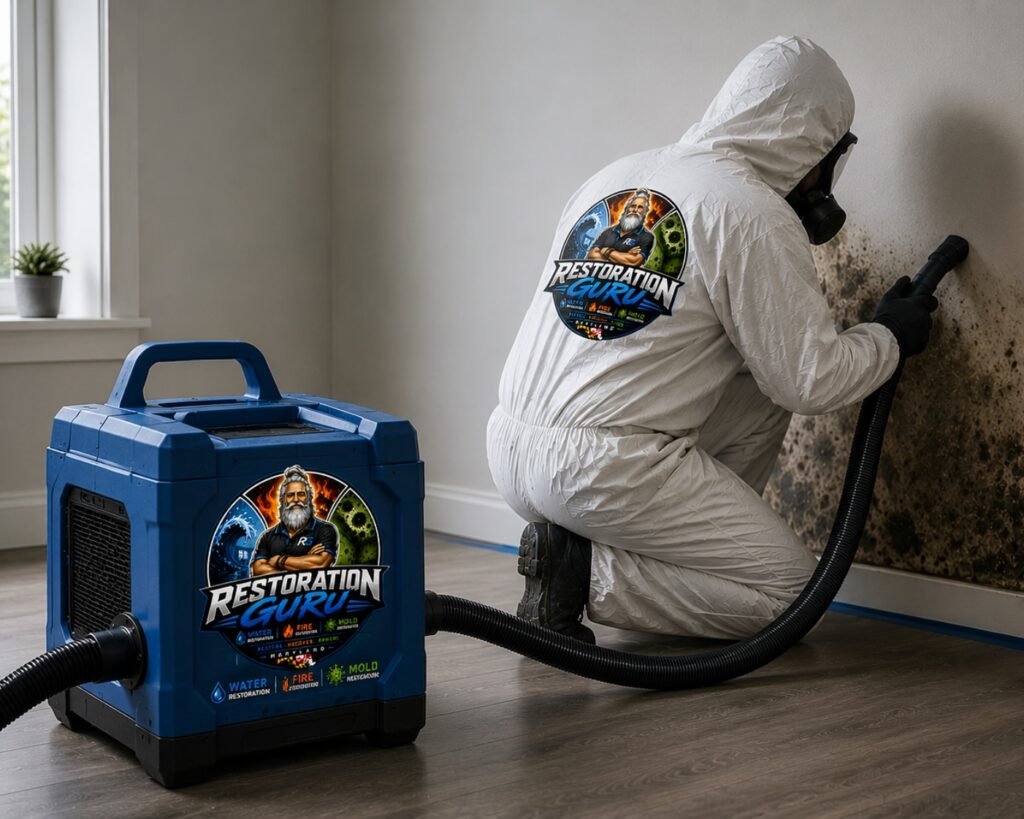
The work area may be isolated to help control the remediation space while affected materials are addressed.

Mold-Affected Material Cleanup
Surfaces and materials are addressed according to their condition and the extent of mold impact.

Damaged Material Removal
Building materials that cannot be appropriately restored may require controlled removal.

Moisture Condition Evaluation
Moisture-related concerns connected to leaks or damp materials are considered during remediation planning.

Property Repair & Restoration
When mold damage affects building materials, repair or reconstruction services can support property recovery.
How Does Our Mold Remediation Process Work?
Every mold-affected property is different. Our process focuses on evaluating the condition, defining the required work, and completing remediation based on the affected spaces and materials.

Step1: Property Evaluation
We assess affected areas to understand visible mold concerns and remediation requirements.
Step 2: Remediation Planning
The affected areas, materials, and scope of work are identified before remediation begins.
Step 3: Containment & Mold Removal
Affected spaces are contained while mold-damaged materials are cleaned, treated, or removed.

Step 4: Moisture Assessment
Moisture conditions are reviewed to help address the source of mold growth.

Step 5: Restoration
Affected building materials are repaired or reconstructed as needed to restore the property.
Why is Moisture Control Important During Mold Remediation?
Moisture is one of the main conditions associated with mold growth. If damp building materials, active leaks, or other moisture concerns remain, mold-related problems may continue or develop again.
For this reason, mold remediation should consider the moisture conditions connected to the affected area. Identifying water damage, leaks, or damp materials helps provide a clearer understanding of the property and the restoration work that may be required.
Restoration Guru considers mold damage and moisture-related property concerns as part of the broader remediation and recovery plan.
Why Choose Restoration Guru for Mold Remediation?
Mold damage can be difficult to evaluate when affected areas extend beyond what is immediately visible. Restoration Guru provides a clear, property-focused remediation process designed around the condition of the affected space.

Detailed Property Evaluation
We review affected areas and surrounding conditions before defining the remediation scope.

Clear Remediation Planning
Property owners receive understandable information about the work identified for their property.

Moisture-Focused Solutions
Our remediation planning considers both mold-affected materials and related moisture concerns.

Residential & Commercial Services
We provide mold remediation support for homes and commercial properties.

Restoration & Reconstruction Support
Damaged property areas can be repaired or reconstructed when broader restoration work is required.

Maryland Property Restoration Service
Our team provides mold remediation and restoration support throughout our Maryland service areas.
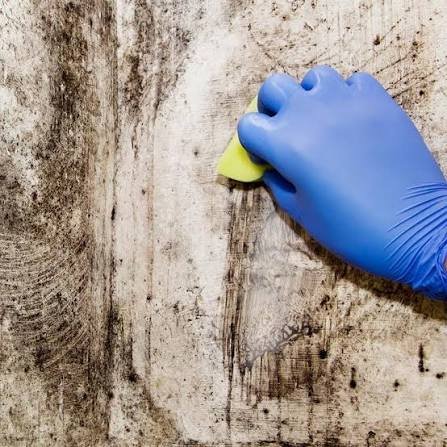
What Affects the Cost of Mold Remediation?
Factors that may influence the cost include:
- Size of the mold-affected area
- Location and accessibility of the mold
- Type and condition of affected materials
- Extent of moisture-related damage
- Need for material removal
- Required property repairs
- Reconstruction needs
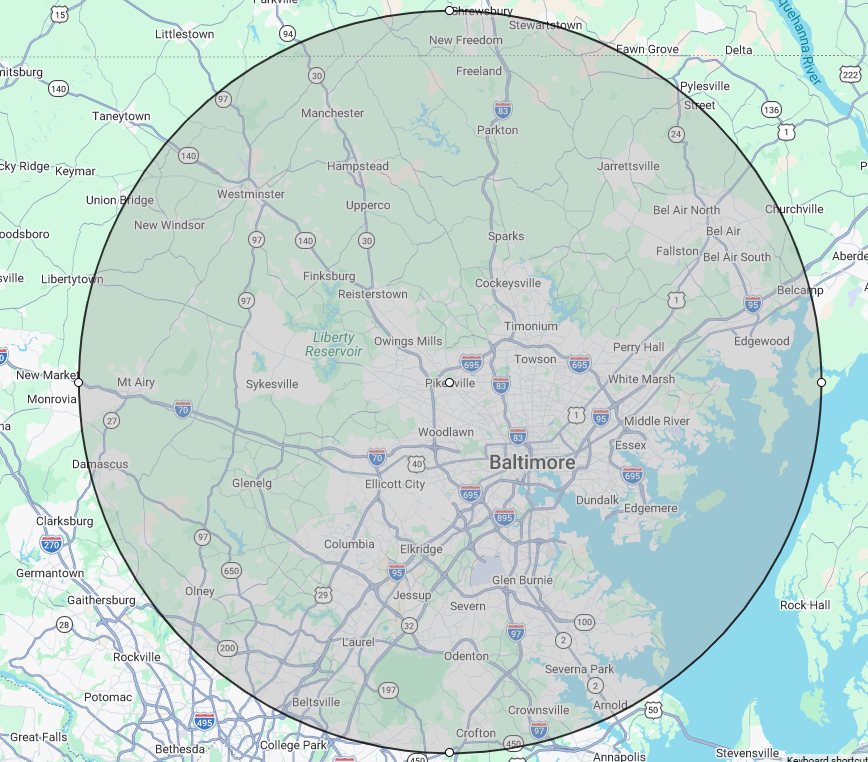
Serving Baltimore and Surrounding Maryland Communities
Restoration Guru provides water damage restoration for residential and commercial properties in Baltimore and communities throughout our Maryland service area.
- Owings Mills
- Reisterstown
- Pikesville
- Randallstown
- Lutherville-Timonium
- Hunt Valley
- Towson
- White Marsh
- Windsor Mill
- Gwynn Oak
- Catonsville
- Ellicott City
- Columbia
- Westminister
- Cockeysville
- Parkvile
- Woodlawn
- Elkridge
- Baltimore
Frequently Asked Questions
What is mold remediation?
Mold remediation is the process of evaluating mold-affected areas, managing contaminated materials, and completing cleanup based on the condition of the property.
What is the difference between mold removal and mold remediation?
Mold removal generally refers to removing or cleaning affected material. Mold remediation is a broader process that considers affected areas, contaminated materials, and related moisture conditions.
Can mold grow behind drywall?
Yes. Mold may develop behind drywall when leaks, water intrusion, or damp building materials create suitable moisture conditions.
Can mold come back after remediation?
Mold may develop again if moisture problems continue or new water damage occurs. Addressing moisture conditions is an important part of remediation planning.
How long does mold remediation take?
The timeline depends on the size of the affected area, materials involved, accessibility, and whether property repairs are required.
Can I stay in my home during mold remediation?
This depends on the location and extent of the affected area and the remediation work required. The property conditions should be evaluated before making this decision.
Does water damage cause mold growth?
Water damage can create damp conditions that support mold growth when affected materials remain wet or moisture is not properly addressed.
Does homeowners insurance cover mold remediation?
Coverage depends on your insurance policy and the cause of the mold damage. Contact your insurance provider to confirm coverage and claim requirements.