

Mold Removal & Remediation in Columbia, MD
- Mold Damage Assessment
- Containment & Cleanup
- Residential & Commercial Properties
- Moisture-Focused Restoration
Get An Estimate
Successful Mold Removal & Remediation Starts Beyond Surface Cleaning
Visible mold is often only part of the overall problem. Mold may continue developing where moisture remains inside walls, beneath flooring, around plumbing, or in other areas that are difficult to inspect without evaluating surrounding conditions.
For properties in Columbia, Maryland, Restoration Guru looks beyond surface mold. We evaluate affected materials, moisture conditions, and visible growth to help develop a remediation plan based on the property’s condition instead of only the visible contamination.
Common Signs That May Indicate Mold in Your Property
Mold often develops out of sight. Surface changes, unusual odors, and moisture conditions may indicate that a closer assessment is needed.

Musty or Damp Odors
An earthy or damp odor may indicate moisture accumulation and possible mold growth in concealed parts of the property.

Bubbling or Peeling Paint
Peeling or bubbling paint may result from moisture beneath the surface where mold can gradually develop.

Staining Around Walls or Ceilings
Water staining around ceilings or walls may indicate moisture intrusion that should be investigated further.

Visible Spots or Discoloration
Visible discoloration, dark patches, or unusual surface growth may indicate mold developing on building materials.

Recurring Moisture Problems
Persistent dampness or recurring moisture issues may continue creating conditions that support mold growth.

Mold Returning After Cleaning
Recurring mold after cleaning may suggest that hidden moisture or contamination has not yet been fully addressed.

What Should You Do If You Find Mold in Your Baltimore Property?
Discovering mold can be concerning, but disturbing the affected area without understanding the extent of the problem may spread residue to nearby surfaces.

Avoid Disturbing the Area
Do not aggressively scrub, sand, or remove affected materials before the condition has been evaluated.

Look for an Obvious Moisture Source
Check for visible leaks or active water problems, but avoid entering unsafe or heavily damaged areas.

Limit Activity Around the Affected Space
Reducing unnecessary movement around significant mold growth may help avoid disturbing contaminated materials.

Do Not Paint Over Visible Mold
Covering the surface does not address the affected material or moisture condition beneath it.

Arrange a Professional Assessment
A closer evaluation can help determine the affected area and the appropriate remediation approach.

A Step-by-Step Mold Removal & Remediation Process
Professional mold remediation begins with evaluating the condition of the affected property and the materials involved. The process focuses on addressing contaminated areas while taking moisture conditions related to mold growth into account.

Step 1: Property & Mold Assessment
We inspect visible mold, moisture concerns, and affected materials.

Step 2: Plan & Contain the Work Area
The remediation area is defined and contained to help limit particle spread.

Step 3: Remove & Treat Mold
Mold-affected materials are cleaned, treated, or removed as needed.

Step 4: Address Moisture Issues
Leaks and moisture sources are evaluated to support effective remediation.

Step 5: Restore the Property
Damaged materials can be repaired or replaced to restore affected areas.

Why Choose Restoration Guru for Mold Removal & Remediation in Columbia?
Surface mold often reflects only part of the overall problem. We assess affected areas, building materials, and moisture conditions before developing a remediation plan suited to the property’s condition.

Property Condition Assessment
The inspection includes visible mold, affected materials, and moisture conditions throughout the property.

Straightforward Recommendations
Property owners receive understandable information about the findings and the recommended remediation process.

Controlled Remediation Areas
The work area is planned to help manage containment while remediation activities are carried out.

Homes & Business Properties
Our mold remediation services are available for both residential and commercial properties in Columbia.
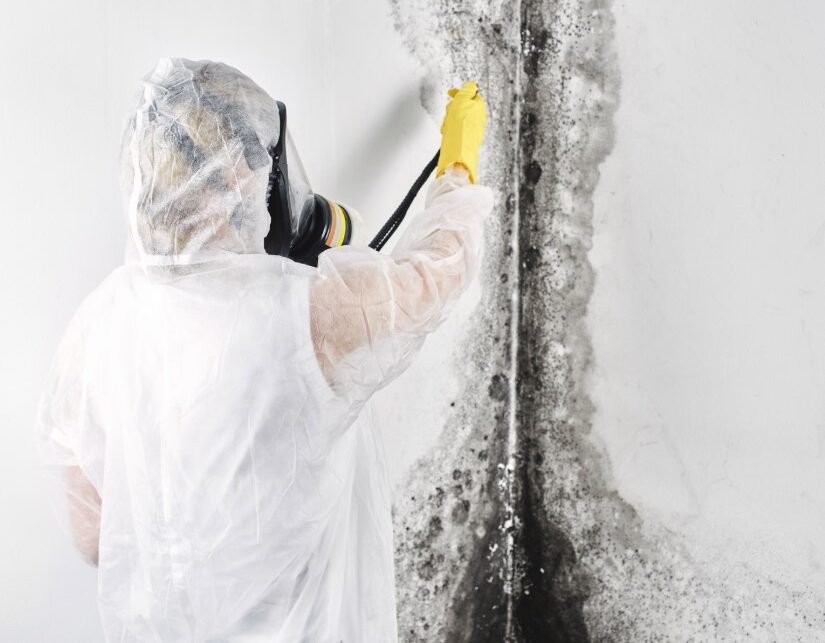
What Affects the Cost of Mold Remediation in Baltimore, MD?
Factors that may influence the cost include:
- Size of the affected area
- Location of the mold growth
- Materials involved
- Accessibility of the damaged space
- Extent of moisture-related damage
- Need for material removal or replacement
Frequently Asked Questions
Can mold continue growing after a water leak is repaired?
Yes. Even after a leak is fixed, trapped moisture inside walls, ceilings, or flooring can allow mold to continue growing if the affected materials are not properly dried.
Does mold always produce a musty smell?
Not always. Some mold growth produces noticeable odors, while other cases may have little or no smell despite being present.
Why does mold return after cleaning?
Mold may return if the moisture source has not been resolved or if hidden mold remains in affected materials.
What building materials are most affected by mold?
Drywall, wood, insulation, ceiling tiles, carpeting, and other porous materials are commonly affected because they can retain moisture.
Does mold come back after remediation?
Mold can develop again when moisture problems continue or new water issues occur. Addressing moisture conditions is an important part of reducing recurring growth.