

Musty or Damp Odors
A lingering musty or earthy odor may indicate hidden moisture and possible mold growth in areas that are not easily visible.

Bubbling or Peeling Paint
Moisture trapped beneath painted surfaces may cause bubbling or peeling while creating conditions favorable for mold growth.

Staining Around Walls or Ceilings
Water stains on walls or ceilings may indicate moisture intrusion that should be evaluated for potential mold concerns.

Visible Spots or Discoloration
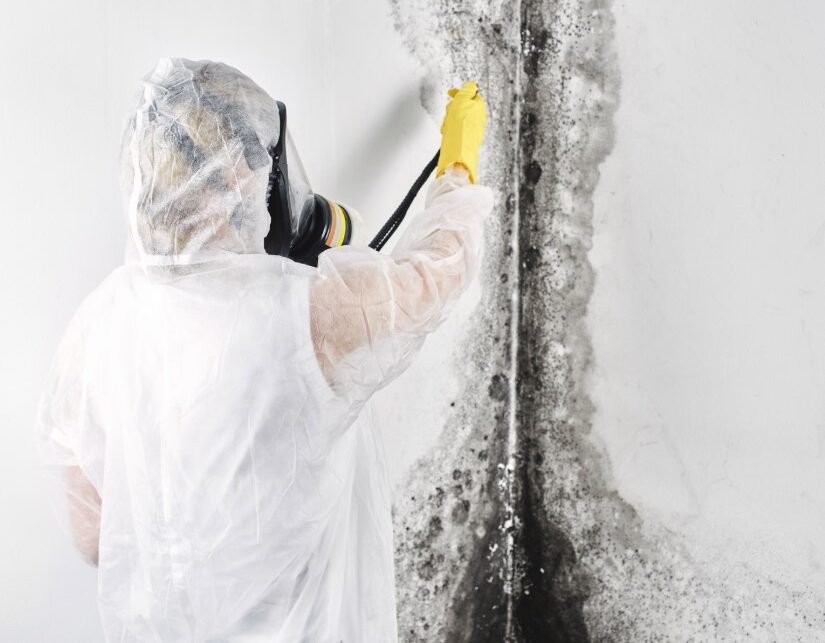
Dark, green, white, or unusual stains on walls, ceilings, or building materials may indicate developing mold.

Recurring Moisture Problems
Repeated moisture issues or high indoor humidity may continue creating conditions that support mold growth if left unaddressed.

Mold Returning After Cleaning
When mold repeatedly returns after cleaning, hidden moisture or untreated contamination may still be present.

Avoid Disturbing the Area
Do not aggressively scrub, sand, or remove affected materials before the condition has been evaluated.

Look for an Obvious Moisture Source
Check for visible leaks or active water problems, but avoid entering unsafe or heavily damaged areas.

Limit Activity Around the Affected Space
Reducing unnecessary movement around significant mold growth may help avoid disturbing contaminated materials.

Do Not Paint Over Visible Mold
Covering the surface does not address the affected material or moisture condition beneath it.

Arrange a Professional Assessment
A closer evaluation can help determine the affected area and the appropriate remediation approach.

Step 1: Property & Mold Assessment
We inspect visible mold, moisture concerns, and affected materials.

Step 2: Plan & Contain the Work Area
The remediation area is defined and contained to help limit particle spread.

Step 3: Remove & Treat Mold
Mold-affected materials are cleaned, treated, or removed as needed.

Step 4: Address Moisture Issues
Leaks and moisture sources are evaluated to support effective remediation.

Step 5: Restore the Property
Damaged materials can be repaired or replaced to restore affected areas.

Inspection-Based Property Review
We inspect visible mold, affected materials, and moisture conditions across the property.

Clear Next-Step Recommendations
You receive straightforward information about the recommended remediation approach.
Controlled Work Area Planning
Containment measures help organize the remediation area while affected materials are addressed.

Residential & Commercial Support
Mold remediation services are available for homes and businesses throughout Elkridge.