


Fire Damage Restoration Services in Maryland
Restore More Than the Visible Fire Damage to Your Property
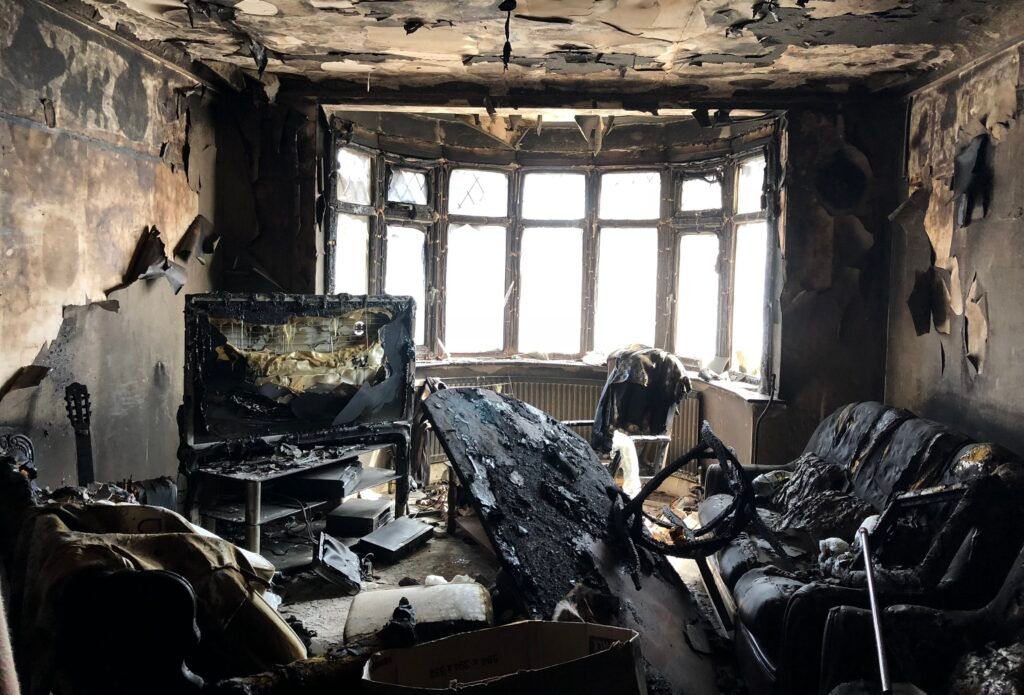
The flames may be out, but the effects of a fire can remain throughout the property. Smoke can settle on surfaces far from the original fire area, soot may affect walls and contents, and damaged building materials may require repair or replacement.
Restoration Guru helps property owners understand the full scope of fire-related damage before recovery work begins. We evaluate affected spaces and develop a restoration plan based on the condition of the property, helping move the project from initial cleanup toward repair and reconstruction.
Complete Fire Restoration Solutions We Provide in Maryland
A fire-damaged property may require several types of restoration work. The exact services depend on the areas affected, the materials involved, and the extent of smoke, soot, and structural damage.

Fire Damage Cleanup
Fire-affected areas are evaluated and prepared for cleanup, restoration, and necessary property repairs.

Soot Cleanup
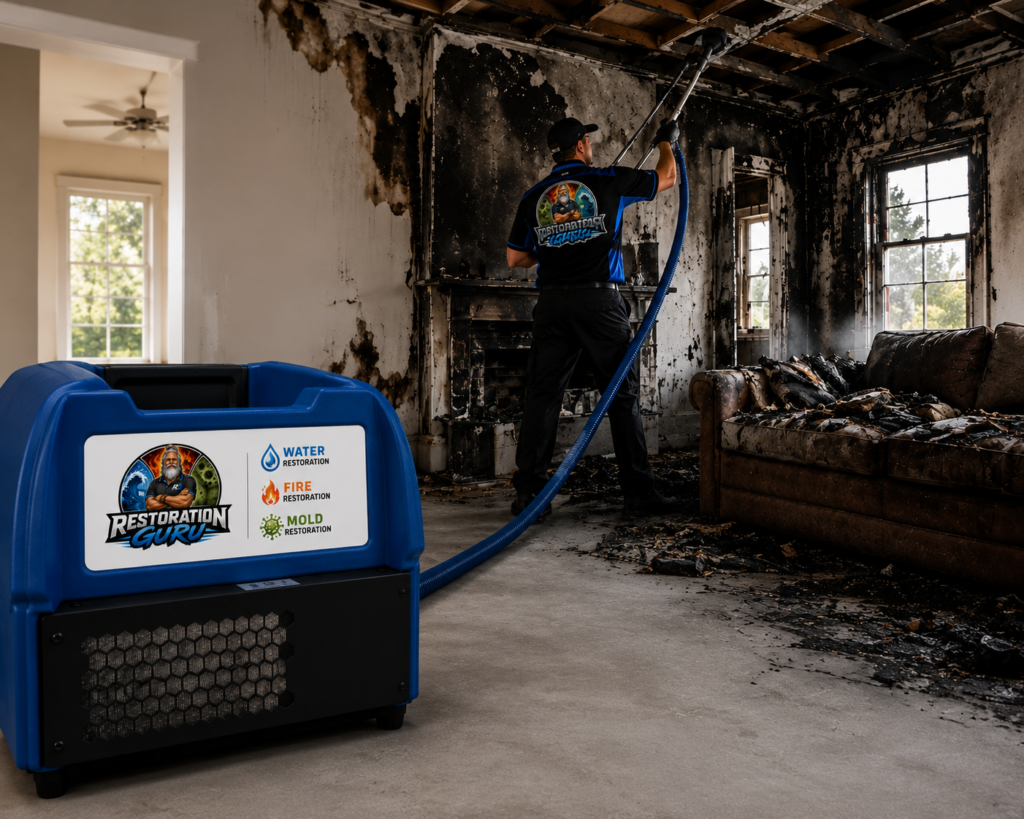
Soot residue is carefully addressed on affected walls, ceilings, fixtures, and other property surfaces.

Fire-Related Water Damage Cleanup
Water and moisture left behind after firefighting efforts may require extraction, drying, and additional restoration work.

Smoke Damage Restoration
Surfaces and materials affected by smoke are addressed according to the type and extent of the damage.

Smoke Odor Treatment
Persistent fire-related odors are addressed as part of the restoration of affected spaces and materials.

Fire Damage Repair & Reconstruction
Damaged building areas that cannot be recovered through cleaning may require repairs, replacement, or reconstruction.
How Do Smoke and Soot Affect a Property After a Fire?
Smoke and soot can move beyond the room where a fire started. Air movement, open spaces, and building systems may carry residue into adjoining rooms and other parts of the property.
Smoke damage may leave discoloration, odors, and residue on walls, ceilings, furniture, and porous materials. Soot consists of fine particles that can settle on property surfaces and contents. The type of material burned and the conditions of the fire can influence how residue affects the property. Because fire-related damage may extend beyond visibly burned areas, restoration planning should consider the movement of smoke and soot throughout affected spaces.
What Should You Do After a Fire?
Once emergency responders have handled the immediate fire, the next decisions should focus on safety, documentation, and protecting the property from additional damage.

Wait for Safe Property Access
Do not enter fire-damaged areas until the appropriate authorities confirm that access is permitted.

Avoid Cleaning Soot Yourself
Wiping or scrubbing soot with unsuitable methods may spread residue or affect additional surfaces.
Document the Damage
Wiping or scrubbing soot with unsuitable methods may spread residue or affect additional surfaces.
Notify Your Insurance Provider
Report the loss and ask about the documentation or claim steps required under your policy.
Arrange a Fire Damage Evaluation
A professional property assessment can help identify the areas affected by fire, smoke, soot, and related damage.

What Should You Know About Fire Damage and Insurance Claims?
Fire damage insurance coverage depends on the policy, cause of the loss, and specific circumstances of the claim. Your insurance provider may request photographs, information about affected property areas, and records related to restoration work.
Keeping documentation organized can help create a clearer record of the property damage and recovery work. Restoration Guru can provide relevant project information connected to the restoration services performed.
Questions about policy coverage, deductibles, claim approval, or reimbursement should be confirmed directly with your insurance provider.
How Does the Fire Damage Restoration Process Work?

Step1: Property Damage Assessment
The property is inspected to evaluate fire, smoke, soot, and restoration needs.
Step 2: Restoration Planning
A restoration plan is developed based on the affected areas and required work.
Step 3: Fire, Smoke & Soot Cleanup
Fire-related debris, smoke residue, and soot are addressed throughout the property.

Step 4: Odor Treatment & Property Repairs
Smoke odors are treated while damaged building materials are repaired or replaced as needed.

Step 5: Reconstruction & Project Completion
Reconstruction is completed when required to restore the property to a functional condition.

Why Choose Restoration Guru for Fire Damage Restoration in Maryland?
Recovering from property fire damage can involve multiple stages of cleanup and repair. We provide a coordinated restoration approach focused on understanding the property, planning the required work, and keeping the recovery process clear.

Detailed Property Assessments
We evaluate affected spaces to better understand visible damage and broader fire-related restoration concerns.

Fire, Smoke & Soot Restoration
Our restoration services address multiple forms of property damage associated with a fire.

Clear Project Communication
Property owners receive understandable information about the restoration scope and project progress.

Residential & Commercial
Support
Fire damage restoration services are available for homes and commercial properties.

Restoration Through Reconstruction
When significant property repairs are required, reconstruction services can support the later stages of recovery.

Maryland Restoration
Service
We provide fire damage restoration support for property owners throughout our Maryland service areas.
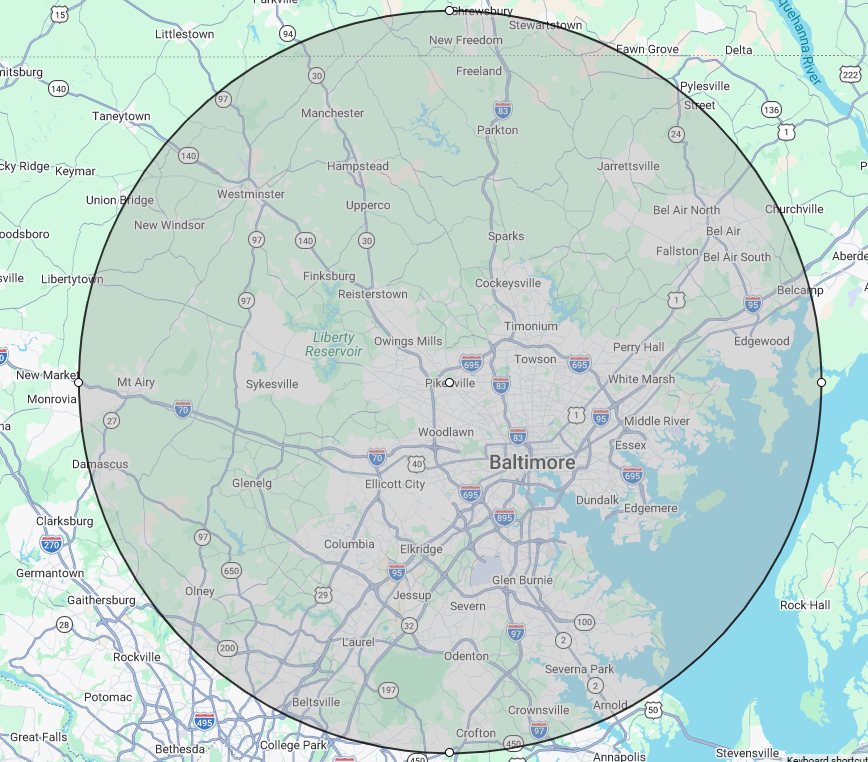
Serving Baltimore and Surrounding Maryland Communities
Restoration Guru provides water damage restoration for residential and commercial properties in Baltimore and communities throughout our Maryland service area.
- Owings Mills
- Reisterstown
- Pikesville
- Randallstown
- Lutherville-Timonium
- Hunt Valley
- Towson
- White Marsh
- Windsor Mill
- Gwynn Oak
- Catonsville
- Ellicott City
- Columbia
- Westminister
- Cockeysville
- Parkvile
- Woodlawn
- Elkridge
- Baltimore
Frequently Asked Questions
What is fire damage restoration?
Fire damage restoration is the process of evaluating, cleaning, repairing, and restoring property areas affected by fire, smoke, soot, odors, and related damage.
What should I do immediately after a house fire?
Wait until authorities confirm the property is safe to access, avoid disturbing damaged areas, document visible damage when possible, contact your insurance provider, and arrange a fire damage assessment.
Can smoke damage areas that were not burned?
Yes. Smoke can travel beyond the original fire area and leave residue, discoloration, or odors on surfaces in other parts of a property.
Can soot be cleaned from walls and ceilings?
The appropriate cleanup method depends on the surface and type of residue. Improper cleaning may spread soot or affect the material, so damaged surfaces should be evaluated first.
How do you remove smoke odor after a fire?
Smoke odor treatment depends on the affected materials and areas. Cleaning and treating smoke-affected spaces is typically part of the broader fire damage restoration process.
Does fire damage restoration include water damage cleanup?
It may. Water used during firefighting can affect building materials and may require water removal, drying, and moisture-related restoration work.
How long does fire damage restoration take?
The timeline depends on the extent of fire, smoke, and structural damage. Projects requiring major repairs or reconstruction generally take longer than cleanup-focused restoration.